


The Venue Pulse
The monthly briefing for venue & event leaders. Benchmarks, AI trends, and operational wins from 4,000+ venues.
What Is a Trade Show? A Comprehensive Guide
Trade shows generate billions in business deals each year, yet many professionals still aren't clear on what separates them from conferences, expos, or exhibitions. If you're planning one, or considering exhibiting at one, understanding the mechanics behind these massive events is critical. Here's what you need to know about trade shows, how they work, and why they remain a cornerstone of B2B marketing and networking.
What Is a Trade Show?
A trade show is a large-scale event where companies within a specific industry gather to showcase products, services, and innovations to a targeted audience of buyers, distributors, and industry professionals. These events go by several names; you'll hear them called expos, trade fairs, or exhibitions depending on the region and format.
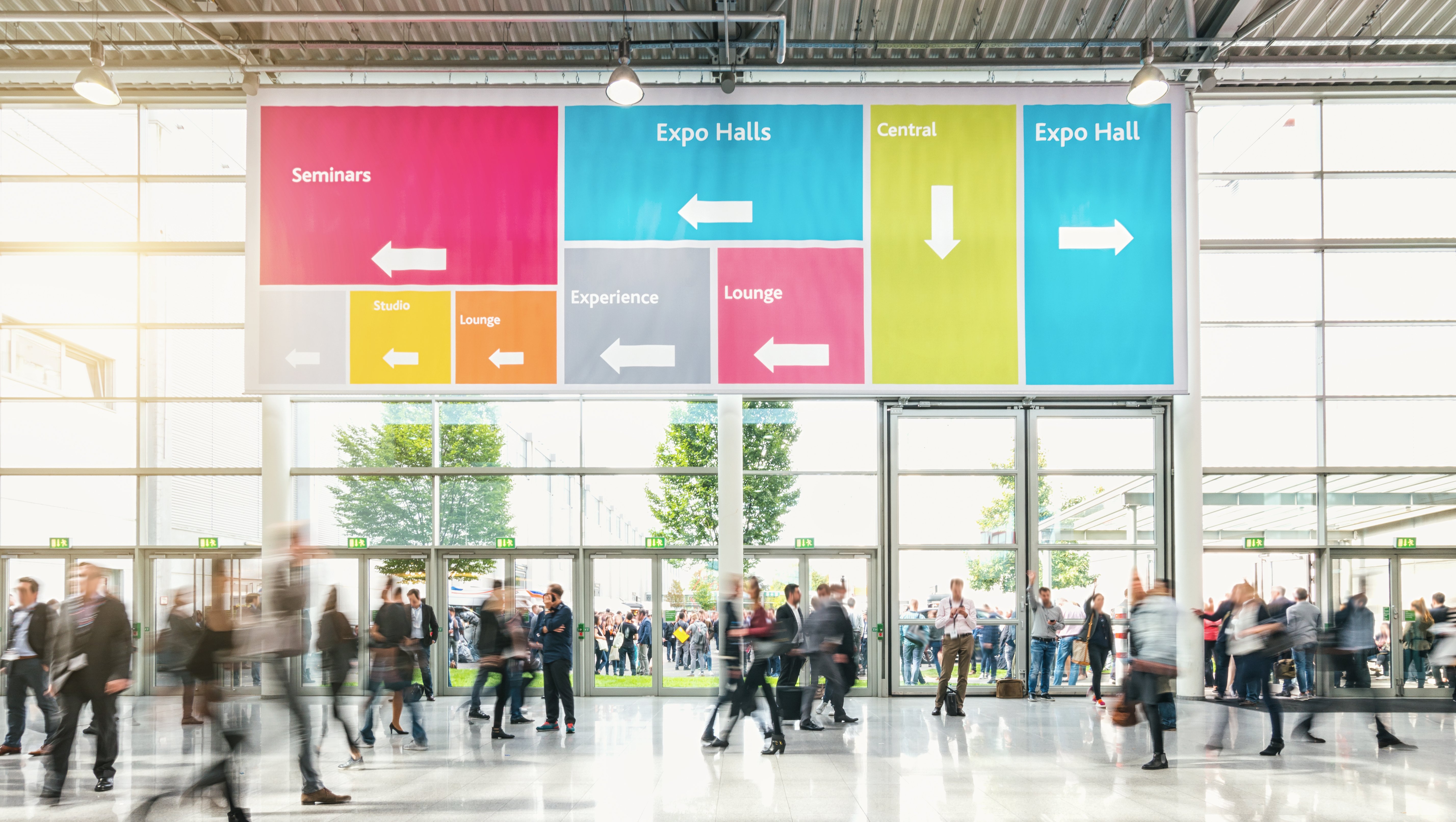
Most trade shows take place in convention centers, expo halls, or large event venues designed to accommodate hundreds (or thousands) of exhibitors and attendees. The setup typically includes rows of exhibitor booths, demo zones, and open floor space where companies can interact directly with prospective customers.
Some trade shows are trade-only, meaning access is restricted to verified industry professionals, buyers, and media. Others open their doors to the general public, especially in consumer-facing industries like home improvement, automotive, or tech. That distinction matters; it shapes everything from your marketing strategy to your venue management software configuration.
What Happens at a Trade Show?
Walk onto a trade show floor and you'll see a carefully orchestrated mix of commerce, education, and networking. The exhibitor booths form the backbone of the event — companies set up branded spaces to display products, demonstrate features, and engage directly with attendees. Booth size and placement often reflect an exhibitor's investment level, with premium spots near entrances or main aisles commanding higher fees.
Beyond the booths, most trade shows include keynote speakers and educational sessions where industry leaders share insights on trends, innovations, and best practices. These sessions draw attendees who want more than a sales pitch; they're looking for actionable knowledge they can bring back to their teams.
Trade shows also create structured opportunities for networking. Whether it's a hosted reception, a roundtable discussion, or informal conversations in the aisles, attendees use these events to meet potential customers, partners, suppliers, and peers they wouldn't easily connect with otherwise.
For businesses, the goal is lead generation. For attendees, it's discovery — walking the floor to explore what's new, compare solutions, and identify emerging trends before competitors do.
Types of Trade Shows
Not all trade shows look alike. The format and focus vary widely depending on the industry, audience, and organizer goals.
Industry-specific trade shows focus on a single vertical; think CES for consumer electronics, EXHIBITORLIVE for trade show marketing, or the National Restaurant Association Show for foodservice. These events attract deeply specialized audiences who know exactly what they're looking for.
B2B trade shows cater exclusively to business buyers and decision-makers. Access is often credential-gated, and exhibitors prioritize demos, contract discussions, and relationship-building over flashy consumer experiences.
Consumer trade shows flip that script. Events like home and garden expos or boat shows welcome the public and emphasize hands-on experiences, product trials, and impulse purchases. Marketing shifts from lead nurturing to immediate conversion.
Then there are hybrid trade shows that straddle both worlds with professional-only hours in the morning and public access in the afternoon. These require careful planning to manage audience segmentation and exhibitor expectations.
Size matters, too. A regional trade show might host 50 exhibitors in a hotel ballroom. A global exhibition like Bauma or MWC can span multiple buildings with 3,000+ exhibitors and hundreds of thousands of attendees. The operational complexity scales accordingly.
Benefits of Trade Shows for Businesses
Companies spend serious money on trade shows with booth rentals, staff travel and promotional materials because when done right, the ROI justifies it. Here's why businesses keep coming back.
Brand awareness and visibility: A well-designed booth at a major industry event puts your brand in front of thousands of qualified prospects in a matter of days. You're not fighting for attention in an inbox or social feed; you're physically present where your audience is already looking.
Lead generation and new business opportunities: Trade shows compress months of prospecting into a concentrated window. Attendees come prepared to evaluate solutions, and exhibitors can qualify leads on the spot through live demos and direct conversation.
Face-to-face networking with buyers and partners: Digital channels are efficient, but they don't replicate the trust-building that happens in person. Trade shows let you shake hands, read body language, and build relationships that convert faster than cold outreach ever will.
Launching new products and innovations: If you're introducing something new, a trade show offers a captive audience of early adopters and industry influencers. The buzz generated at a major expo can carry through an entire product cycle.
Understanding competitors and industry trends: Walking the floor isn't just about your booth; it's competitive intelligence. You'll see what rivals are promoting, spot gaps in the market, and pick up on shifts in buyer priorities before they hit the mainstream.
Benefits of Attending Trade Shows for Attendees
Attendees don't just wander trade show floors for fun. They're there to solve problems, stay current, and make smarter buying decisions.
Discovering new products and technologies: Trade shows let you see, touch, and test solutions in ways a website demo never will. For procurement teams, that hands-on evaluation accelerates the vetting process.
Educational sessions and industry insights: Quality trade shows curate content that goes beyond vendor pitches. You'll find sessions on regulatory changes, operational best practices, and emerging trends that help you lead your market.
Networking with suppliers, partners and thought leaders: Whether you're sourcing a new vendor or exploring a strategic partnership, trade shows concentrate decision-makers in one place. The connections you make here often turn into long-term business relationships.
Exploring industry trends and innovations: Trade shows reflect where your industry is headed. If you're seeing a theme across multiple booths such as AI-driven analytics, sustainability initiatives, or modular design that's a signal worth acting on.
How Trade Shows Are Planned and Managed
Organizing a trade show isn't like booking a meeting room. You're coordinating hundreds of moving parts across exhibitors, attendees, venue staff, and service contractors; all while managing logistics that would overwhelm most corporate event teams. Which is were having a convention center event software is ideal to build a tight coordination.
Venue selection: The right venue supports your event's scale and audience. Convention centers offer flexibility, but they also come with complex load-in schedules, union labor requirements, and multi-event coordination challenges. We've seen organizers underestimate how much venue logistics influence exhibitor satisfaction.
Exhibitor coordination: From booth assignments to electrical hookups to load-in windows, managing exhibitors requires clear communication and tight scheduling. Miss a detail, like conflicting move-in times, and you'll hear about it fast.
Booth layout and floor plans: Floor plan design isn't just aesthetic. It's about traffic flow, sightlines, and making sure premium exhibitors get the visibility they paid for. Changes to the layout ripple through registration systems, signage, and marketing materials.
Registration and ticketing: Trade shows handle everything from pre-registered VIPs to walk-up attendees. You need a system that processes credentials quickly, tracks attendance by session, and integrates with badge printing on-site.
Scheduling presentations and networking events: Multi-track agendas mean juggling room assignments, A/V needs, speaker coordination, and real-time schedule changes. When a keynote runs long, your ops team needs to adjust on the fly without derailing the rest of the day.
The best trade show organizers use event management software that centralizes this complexity. When your venue, exhibitors, and internal teams are working from the same system, you spend less time firefighting and more time delivering an experience people remember.
The Role of Technology in Modern Trade Shows
Technology has moved trade shows well beyond paper badges and static signage. Today's events run on digital infrastructure that improves both the attendee experience and operational efficiency.
Digital registration systems: Attendees expect to register online, receive mobile tickets, and check in with a QR code. Back-end systems need to handle badge customization, access control by session, and real-time attendance tracking.
Event apps and attendee engagement tools: A well-built event app gives attendees schedules, exhibitor directories, and networking features; plus it gives organizers data on which sessions and booths are drawing the most traffic. That insight shapes future event planning.
Real-time event analytics: Track registration trends, session capacity, and exhibitor engagement as they happen. When you know a session is filling up or a demo area is overcrowded, you can adjust staffing or messaging in real time.
Digital signage and interactive experiences: Static posters don't cut it anymore. Digital displays can be updated remotely, and interactive kiosks let attendees explore content at their own pace without monopolizing booth staff.
The goal isn't technology for its own sake; it's using the right tools to reduce friction, improve communication, and give your team the visibility they need to manage a complex event confidently.
How Event and Venue Management Software Supports Trade Shows
Running a large trade show means managing dependencies across departments that don't always talk to each other. Operations handles logistics. Sales coordinates exhibitors. Marketing manages attendee communications. Without a shared system, critical details fall through the cracks.
Effective trade show management requires tight coordination across bookings, exhibitors, schedules, and communications all at once. Floor plans shift as exhibitors are added or removed, each with their own setup requirements. Timelines are tightly structured, from load-in to live sessions to teardown, and even small changes need to be reflected across teams quickly. When everything is centralized, teams can track space allocation in real time, manage vendor needs, and share updates without relying on scattered spreadsheets or email threads. That visibility keeps teams aligned and reduces the back-and-forth that slows execution.
For venues hosting multiple trade shows or concurrent events, this kind of coordination is non-negotiable. The ability to manage complex bookings, track dependencies, and communicate across teams directly impacts whether your event runs smoothly; or becomes a case study in what not to do.
FAQ for Trade Shows
How do trade shows work?
Trade shows bring together exhibitors and attendees in a single venue over a set period, typically 2-4 days. Exhibitors rent booth space to showcase products and services, while attendees register to explore the floor, attend educational sessions, and network with industry professionals.
Who typically attends trade shows?
Attendees include buyers, procurement teams, distributors, retailers, and other industry professionals looking to discover products, evaluate vendors, or stay current on trends. Some trade shows also welcome media, analysts, and (in consumer-focused events) the general public.
What is the difference between a trade show and an exhibition?
The terms are often used interchangeably. "Trade show" is more common in North America and typically implies a B2B focus, while "exhibition" is used more broadly internationally and can refer to both commercial and non-commercial displays (like art exhibitions).
What is the difference between a trade show and a conference?
A conference centers on education with keynotes, breakout sessions, and/or workshops that have minimal or no exhibitor presence. A trade show prioritizes exhibitors and product showcases, though many include educational programming as a secondary component. Some events combine both formats.
How do companies benefit from exhibiting at a trade show?
Exhibiting puts your brand in front of a concentrated audience of qualified buyers in a short window. You generate leads, demonstrate products, build relationships, launch innovations, and gather competitive intelligence; all things that take months to achieve through digital channels alone.
Conclusion
Trade shows remain one of the most effective ways for businesses to generate leads, build relationships, and showcase innovations to a targeted audience. Whether you're planning your first trade show or managing your fiftieth, understanding how these events work – and how the right technology supports them – gives you a significant operational advantage. Ready to streamline your next trade show? Book a Demo and see how Momentus can help.
See what your venue is missing
Explore the platform trusted by SoFi Stadium and the Apollo Theater to fill more dates, streamline operations and maximize revenue






.svg)